
What Nervana Medical Patients Should Know
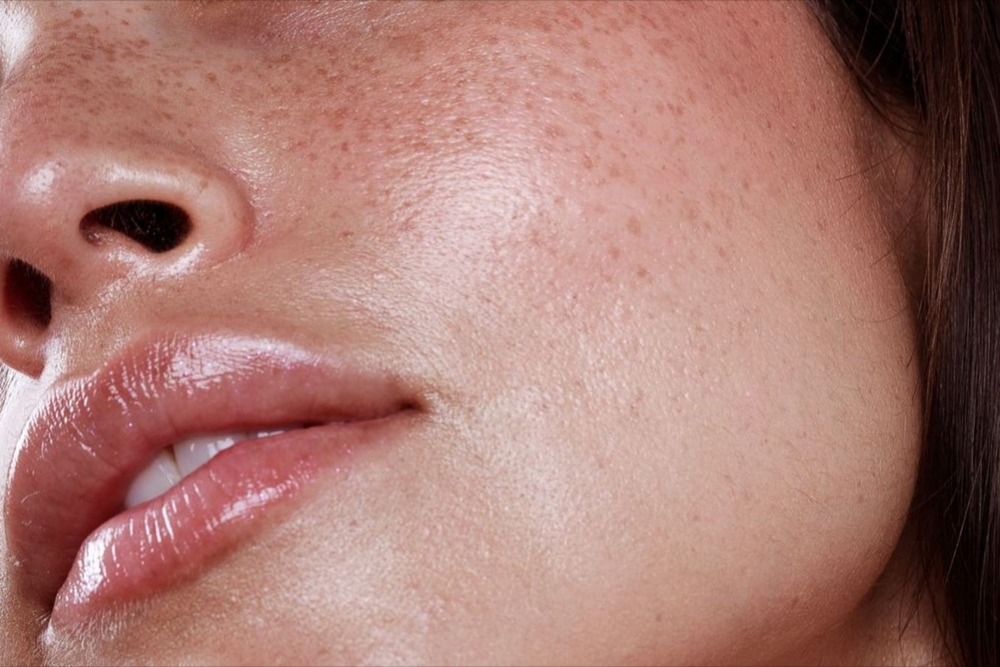
GLP-1 medications like semaglutide and tirzepatide have become powerful tools for weight loss, metabolic health, and overall wellness. Many patients feel better, have more energy, and see significant health improvements, but occasionally people notice changes in their skin along the way, including concerns about pigmentation such as melasma or post-inflammatory hyperpigmentation (PIH).
The good news: GLP-1 medications do not directly cause melasma or skin pigment disorders. However, there are a few indirect factors worth understanding.
Hormonal Changes During Weight Loss
Fat tissue isn’t just storage, it plays a role in hormone regulation. When weight loss occurs:
- Estrogen metabolism can shift.
- Inflammatory markers may temporarily fluctuate.
- Skin may become more reactive during rapid metabolic changes.
These changes can sometimes make existing pigmentation more noticeable or trigger a flare in people already prone to melasma.
Rapid Weight Loss & Skin Physiology
Significant weight loss can affect:
- Skin hydration and barrier function
- Nutritional status if intake drops too quickly
- Collagen and facial volume distribution
When the skin barrier becomes stressed, pigment cells (melanocytes) can become more reactive, increasing the risk of uneven pigmentation.
Increased Sun Exposure
Many patients become more active outdoors while losing weight which is fantastic for health but more sun exposure without consistent sunscreen can worsen pigment conditions.
Even indirect exposure, heat, or visible light can contribute to melasma flares.
Skin Sensitivity During Treatment
Some people experience:
- Dryness or irritation
- Changes in skincare routines
- Increased inflammation from procedures done during weight loss
Inflammation is one of the biggest triggers for hyperpigmentation.
How to Protect Your Skin During GLP-1 Therapy
At Nervana Medical, we emphasize prevention alongside treatment. Helpful steps include:
Daily Sun Protection
- Broad-spectrum SPF 30–50 every day
- Tinted sunscreen -Iron oxide (helps block visible light which also plays a role in aging skin!)
- Reapply if outdoors or exercising
Support Your Skin Barrier
- Hydrating skincare
- Gentle exfoliation only when appropriate
- Avoid overly aggressive treatments during rapid weight changes
Nutritional Support
Healthy protein intake, antioxidants, and hydration support both skin healing and pigment stability.
*We could go on and on about all of these topics but for a comprehensive review and education we recommend scheduling a consultation with an esthetician/aesthetic provider and dietician for best results.
When to Consider Treatment
If pigmentation develops or worsens, options may include:
- Medical-grade skincare
- Pigment suppressing treatments
- Conservative aesthetic procedures when appropriate
- Hormone and metabolic evaluation if indicated
Treatment is always individualized based on skin type, triggers, and overall health goals.
The Bottom Line
GLP-1 medications themselves don’t cause melasma, but hormonal shifts, inflammation, lifestyle changes, and sun exposure during weight loss can influence pigmentation. With proper prevention and personalized care, most patients can maintain healthy, even-toned skin while benefiting from metabolic therapy.
If you have questions about weight loss, hormones, skin health, or aesthetic treatments, the Nervana Medical team is always here to help you look and feel your best inside and out.