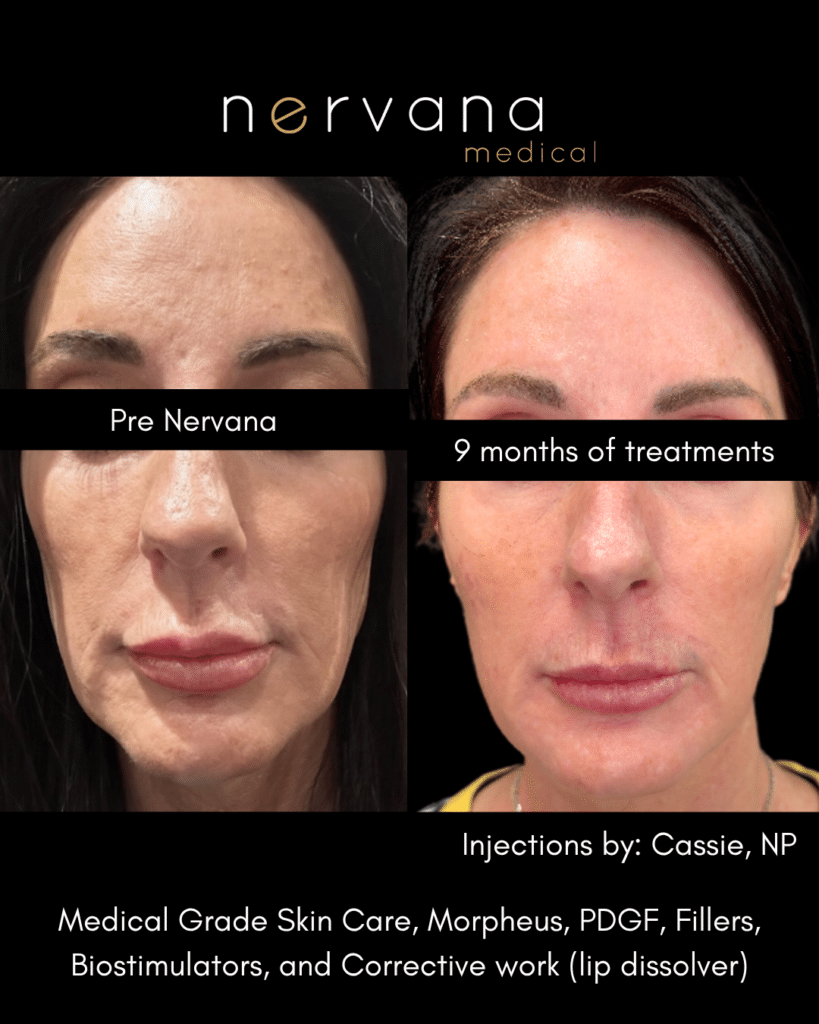
Case Details
Melasma can be one of the most frustrating skin conditions to treat.
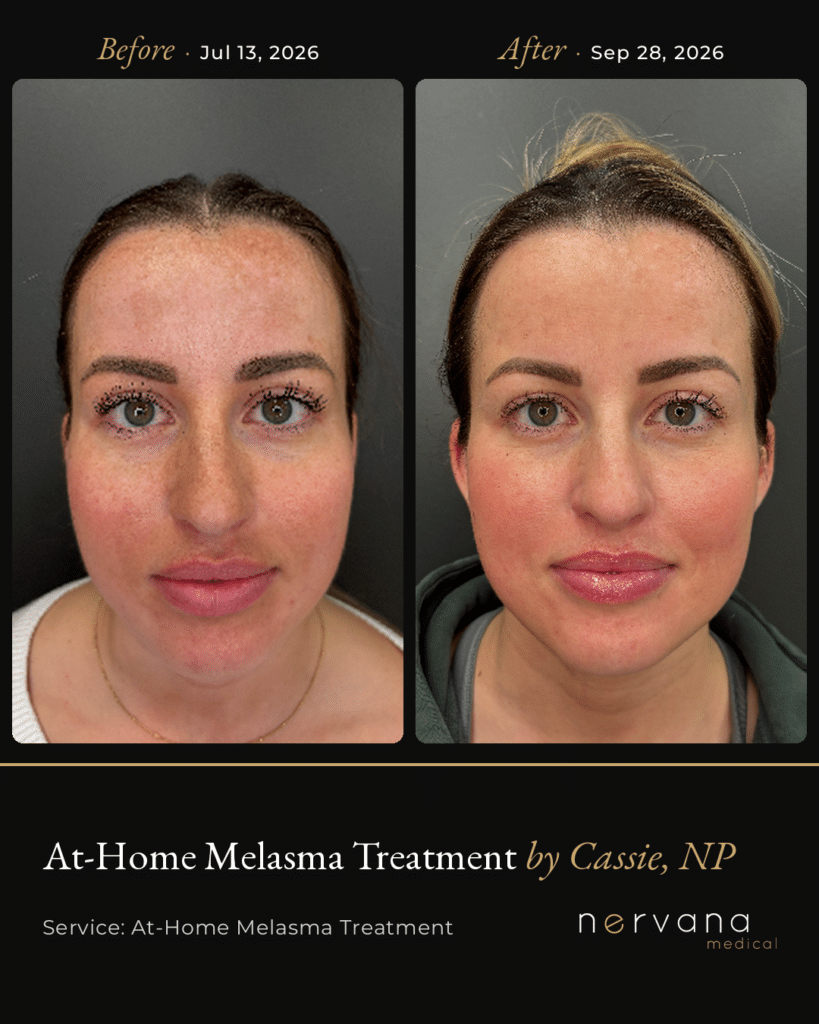
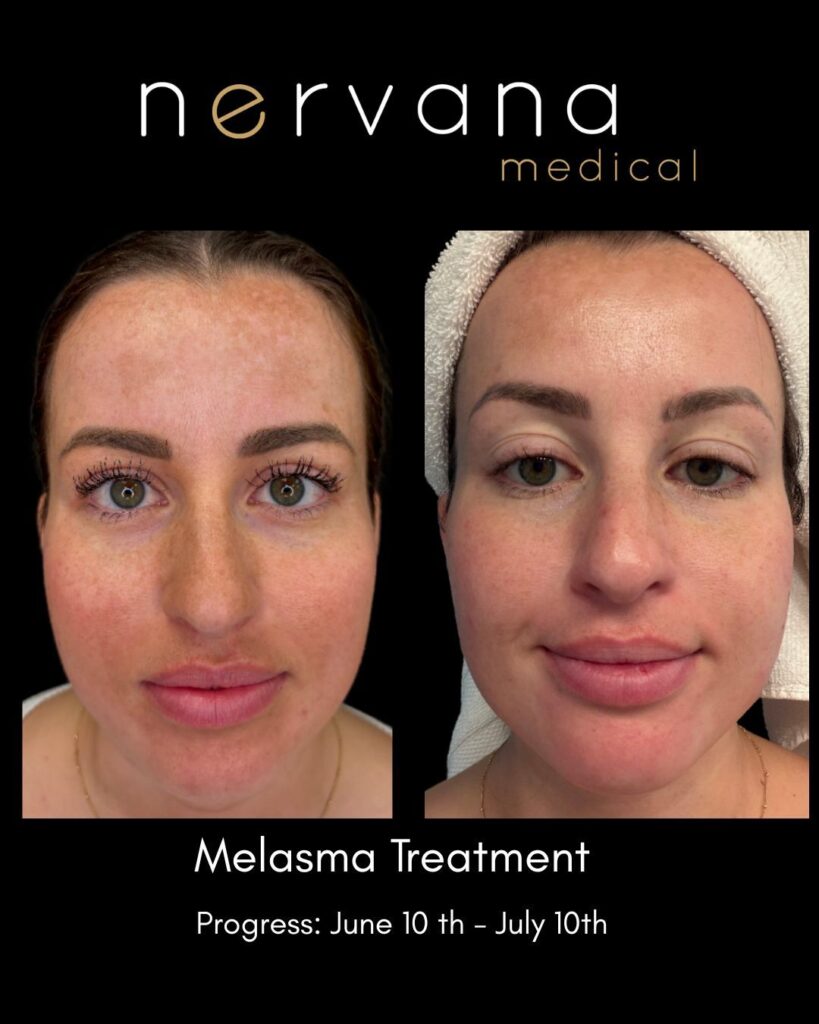
In this case, the before photo was taken on July 13, 2026 and the after photo on September 28, 2026, following a plan that combined provider prescriptions, esthetician-driven medical-grade skincare, and lifestyle changes.
In this case, the before photo was taken on July 13, 2026 and the after photo on September 28, 2026, following a plan that combined provider prescriptions, esthetician-driven medical-grade skincare, and lifestyle changes.
If you’ve tried hydroquinone, chemical peels, lasers, microneedling, or every “brightening” serum on the market and still feel like the pigment keeps coming back, you’re not alone.
One treatment that has gained significant attention in the dermatology world is oral tranexamic acid (TXA).
Why?
Because melasma isn’t just a pigment problem. It’s driven by inflammation, blood vessels, hormones, UV exposure, and signaling pathways that continue telling your melanocytes to produce pigment. Oral TXA helps interrupt those signals rather than simply bleaching the pigment that’s already there. (Nervana Medical)
Some of the data is impressive:
✨ Nearly 90% improvement rates reported in large patient studies
✨ About a 49% reduction in melasma severity in randomized controlled trials
✨ Better outcomes and lower relapse rates when combined with a good skincare regimen compared to topical therapy alone (Nervana Medical)
That said, oral TXA isn’t for everyone. It requires a thorough medical history and screening for clotting risk factors before treatment.
At Nervana, I rarely approach melasma with a single “magic” treatment. The best results typically come from combining:
✔️ Daily sun protection
✔️ Medical-grade skincare
✔️ Oral or topical pigment suppressors
✔️ Chemical peels
✔️ Microneedling and other collagen-stimulating treatments when appropriate
Melasma is a marathon, not a sprint—but with the right strategy, significant improvement is possible.
Have questions about whether oral TXA might be a good option for you?