We have split this blog into 2 levels of education; the first explanation is for healthcare professionals, the latter is a more simple patient explanation!
For Healthcare Professionals:
Low glutathione levels can lead to more skin issues, primarily due to glutathione’s central role as an antioxidant in keratinocytes, where it protects against oxidative stress, supports cell survival, and facilitates detoxification and wound repair.[1-4] Glutathione deficiency increases cellular susceptibility to oxidative damage, which is associated with premature skin aging, impaired wound healing, and increased apoptosis, especially in aged skin. However, young skin can partially compensate for low glutathione through alternative antioxidant systems such as the thioredoxin and cysteine/cystine pathways.[3][5-6]
UV-B irradiation is a well-established cause of glutathione depletion in keratinocytes, resulting in increased oxidative injury and contributing to the pathogenesis of several cutaneous disorders. The skin possesses mechanisms to restore redox balance, but persistent glutathione depletion can compromise cellular homeostasis and defense against environmental insults.[7-9]
While glutathione deficiency is linked to increased susceptibility to skin issues, including aging and impaired wound healing, direct causal relationships in humans remain to be fully clarified. Most evidence is derived from animal models, in vitro studies, and indirect clinical observations. Further clinical research is needed to establish definitive links and therapeutic strategies for glutathione modulation in dermatologic disease.[10-12]
The common dermatological manifestations associated with glutathione deficiency include increased susceptibility to oxidative skin damage, premature skin aging, impaired wound healing (especially in aged skin), and increased keratinocyte apoptosis. Glutathione is the principal intracellular antioxidant in keratinocytes, and its deficiency leads to elevated levels of reactive oxygen and nitrogen species, resulting in DNA and mitochondrial damage, and increased cell death by apoptosis, ferroptosis, and necroptosis.[1-3]
In young skin, compensatory antioxidant systems (such as the cysteine/cystine and thioredoxin pathways) can partially mitigate these effects, so overt clinical manifestations may be limited. However, in aged skin, low glutathione becomes rate-limiting for wound repair, leading to delayed healing and reduced keratinocyte proliferation.[2-3] Chronic glutathione deficiency is also associated with increased risk of photodamage and may contribute to the pathogenesis of skin cancers and other age-related cutaneous disorders.[2-4]
Overall, the most clinically relevant skin issues linked to glutathione deficiency are premature aging, impaired wound healing in older individuals, and increased vulnerability to oxidative and phototoxic injury.[1-4]
References:
.1. A Glutathione-Nrf2-Thioredoxin Cross-Talk Ensures Keratinocyte Survival and Efficient Wound Repair.Telorack M, Meyer M, Ingold I, et al.PLoS Genetics. 2016;12(1):e1005800. doi:10.1371/journal.pgen.1005800.
2.Low Levels of Glutathione Are Sufficient for Survival of Keratinocytes After UV Irradiation and for Healing of Mouse Skin Wounds.Telorack M, Abplanalp J, Werner S.Archives of Dermatological Research. 2016;308(6):443-8. doi:10.1007/s00403-016-1660-9.
3.Glutathione and Glutathione-Dependent Enzymes: From Biochemistry to Gerontology and Successful Aging.Lapenna D.Ageing Research Reviews. 2023;92:102066. doi:10.1016/j.arr.2023.102066. Leading Journal
4.Molecular Mechanism(s) for UV-B Irradiation-Induced Glutathione Depletion in Cultured Human Keratinocytes.Zhu M, Bowden GT.Photochemistry and Photobiology. 2004 Sep-Oct;80(2):191-6. doi:10.1562/2004-02-26-RA-091.
For Patients:
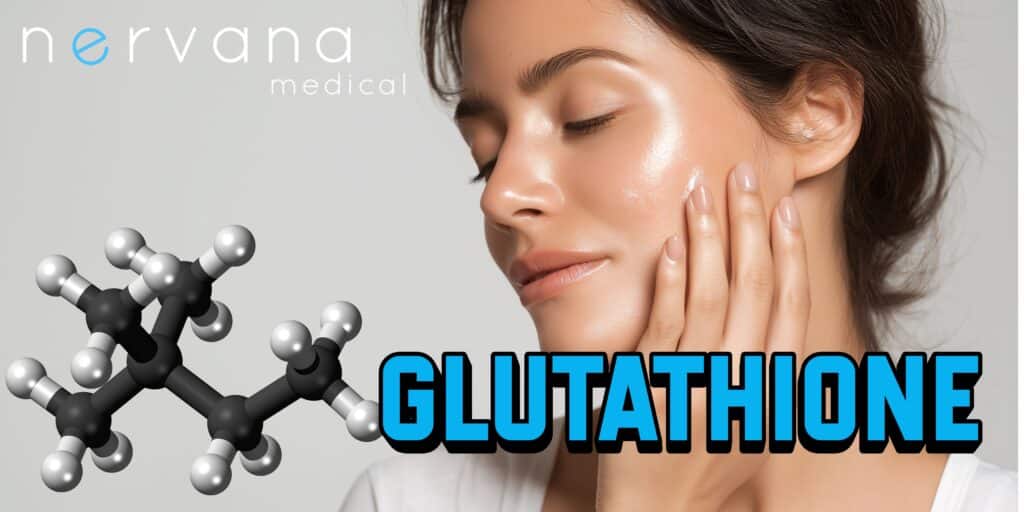
Glutathione for Skin Health: The Antioxidant Your Skin Needs
Your skin is constantly exposed to environmental stressors such as pollution, UV radiation, and toxins that speed up aging and cause oxidative damage. One of the most powerful defenders against this damage is glutathione, a master antioxidant naturally produced by the body. But as we age, glutathione levels decline, impacting skin health, brightness, and elasticity. Here’s why optimizing glutathione is essential for youthful, radiant skin.
What is Glutathione?
Glutathione is a tripeptide composed of three amino acids: cysteine, glycine, and glutamic acid. It acts as the body’s primary intracellular antioxidant,”The Mother of Anti-Oxidants” helping neutralize free radicals, support detoxification, and regenerate other antioxidants like Vitamin C and E. This makes it important for cellular health including skin cells.
How Glutathione Impacts Skin Health
- Fights Oxidative Stress Free radicals generated from sun exposure and pollution break down collagen and elastin, leading to fine lines and wrinkles. Glutathione neutralizes these harmful molecules before they cause irreversible damage.
- Reduces Hyperpigmentation Studies suggest glutathione helps regulate melanin production, reducing the appearance of dark spots and uneven tone.
- Supports Skin Brightness By combating oxidative damage and inflammation, glutathione helps maintain a brighter, healthier complexion.
- Speeds Up Skin Repair Glutathione aids cellular repair processes, which can improve skin texture and resilience over time.
Why Glutathione Levels Decline with Age
As we age, oxidative stress increases while the body’s ability to produce glutathione decreases. Factors such as poor diet, chronic stress, alcohol consumption, and UV exposure accelerate this depletion, leaving the skin more vulnerable to damage.
Benefits of Glutathione IV Therapy for Skin
- Direct absorption: Bypasses the digestive tract for maximum bioavailability (poor oral absorption)
- Boosts cellular detoxification: Clears harmful toxins that accelerate aging
- Enhances collagen protection: Preserves skin elasticity
- Supports even skin tone: Helps minimize hyperpigmentation naturally
How Often Should You Get Glutathione IVs?
Most patients see results with weekly or biweekly treatments, but frequency varies based on individual goals. Combining glutathione with Vitamin C and other antioxidants enhances results.
Is Glutathione Safe?
Yes, when administered by a qualified provider, glutathione is considered safe with minimal side effects.
Final Thoughts
Glutathione is more than a beauty trend. It is a science-backed antioxidant that plays an important role in skin health and overall wellness. If you’re struggling with dull skin, pigmentation, or signs of aging, glutathione therapy can be hugely helpful.
Ready to support your glow from the inside out? Book a glutathione IV at Nervana Medical in Sandy, Utah, and discover the benefits of advanced skin health treatments today. Want the benefits without as much cost? Be sure to see our High Dose IV Push Options!
*The FIRST MONDAY of every month we offer HALF OFF IV’s ! Must have an IV Consult PRIOR to booking!
REFERENCES
Telorack, M., Meyer, M., Ingold, I., et al. (2016). A glutathione-Nrf2-thioredoxin cross-talk ensures keratinocyte survival and efficient wound repair. PLoS Genetics, 12(1), e1005800. https://doi.org/10.1371/journal.pgen.1005800
Wu, G., Fang, Y. Z., Yang, S., Lupton, J. R., & Turner, N. D. (2004). Glutathione metabolism and its implications for health. The Journal of Nutrition, 134(3), 489-492. https://doi.org/10.1093/jn/134.3.489
Lapenna, D. (2023). Glutathione and glutathione-dependent enzymes: From biochemistry to gerontology and successful aging. Ageing Research Reviews, 92, 102066. https://doi.org/10.1016/j.arr.2023.102066
Averill-Bates, D. A. (2023). The antioxidant glutathione. Vitamins and Hormones, 121, 109-141. https://doi.org/10.1016/bs.vh.2022.09.002
Telorack, M., Abplanalp, J., & Werner, S. (2016). Low levels of glutathione are sufficient for survival of keratinocytes after UV irradiation and for healing of mouse skin wounds. Archives of Dermatological Research, 308(6), 443-448. https://doi.org/10.1007/s00403-016-1660-9
Ballatori, N., Krance, S. M., Notenboom, S., et al. (2009). Glutathione dysregulation and the etiology and progression of human diseases. Biological Chemistry, 390(3), 191-214. https://doi.org/10.1515/BC.2009.033
Zhu, M., & Bowden, G. T. (2004). Molecular mechanism(s) for UV-B irradiation-induced glutathione depletion in cultured human keratinocytes. Photochemistry and Photobiology, 80(2), 191-196. https://doi.org/10.1562/2004-02-26-RA-091
Meloni, M., & Nicolay, J. F. (2003). Dynamic monitoring of glutathione redox status in UV-B irradiated reconstituted epidermis: Effect of antioxidant activity on skin homeostasis. Toxicology in Vitro, 17(5-6), 609-613. https://doi.org/10.1016/s0887-2333(03)00114-0
Persson, B., Andersson, A., Hultberg, B., & Hansson, C. (2002). The redox state of glutathione, cysteine and homocysteine in the extracellular fluid in the skin. Free Radical Research, 36(2), 151-156. https://doi.org/10.1080/10715760290006448
Minich, D. M., & Brown, B. I. (2019). A review of dietary (phyto)nutrients for glutathione support. Nutrients, 11(9), 2073. https://doi.org/10.3390/nu11092073
Pastore, A., Federici, G., Bertini, E., & Piemonte, F. (2003). Analysis of glutathione: Implication in redox and detoxification. Clinica Chimica Acta, 333(1), 19-39. https://doi.org/10.1016/s0009-8981(03)00200-6Homma, T., & Fujii, J. (2015). Application of glutathione as anti-oxidative and anti-aging drugs. Current Drug Metabolism, 16(7), 560-571. https://doi.org/10.2174/1389200216666151015114515