
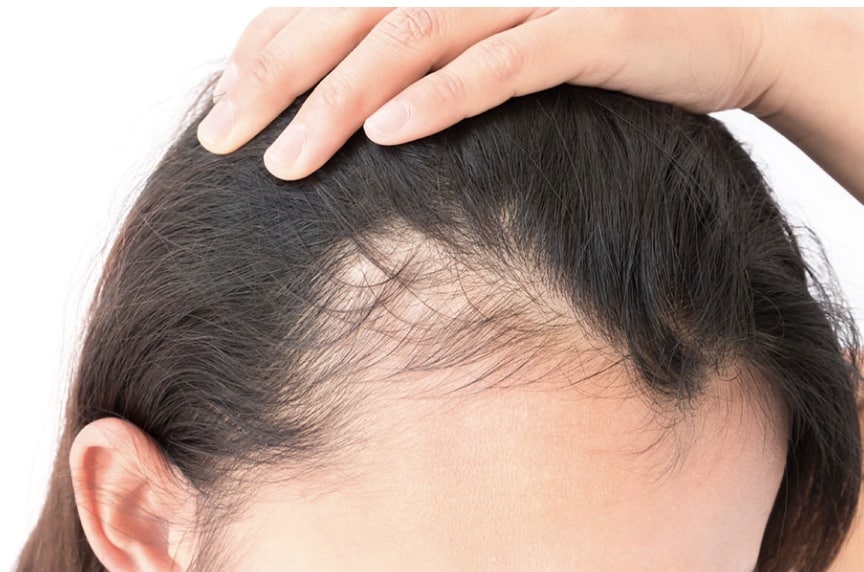
Hair loss can be a frustrating and confidence-shaking experience, whether it’s a widening part, thinning crown, or excessive shedding in the shower. Fortunately, modern science has made strides in helping to slow, stop, and even reverse hair loss, and one of the most well-known tools is minoxidil.
Originally developed as a medication for high blood pressure, minoxidil quickly gained attention for an unexpected side effect: hair regrowth. Today, it’s an FDA-approved treatment for androgenetic alopecia (male and female pattern baldness) and is widely used by both men and women looking to reclaim a fuller, healthier head of hair.
In this post, we’ll explore how minoxidil works, who it’s best suited for and what to expect when adding it to your hair restoration plan.
Minoxidil works for hair loss by stimulating hair follicles and improving blood flow to the scalp, which helps to prolong the growth phase of the hair cycle. Here’s a breakdown of how it works:
Mechanism of Action
- Vasodilation (Improved Blood Flow)
- Minoxidil is a potent vasodilator, it widens blood vessels.
- When applied topically, it increases blood flow to hair follicles, delivering more oxygen and nutrients that support hair growth.
- Prolongs the Anagen Phase (Growth Phase)
- Hair grows in cycles: anagen (growth), catagen (transition), and telogen (resting/shedding).
- Minoxidil prolongs the anagen phase, helping hairs grow longer and thicker before falling out.
- Enlarges Miniaturized Follicles
- In conditions like androgenetic alopecia (pattern hair loss), follicles shrink and produce thinner hairs (miniaturization).
- Minoxidil can increase the diameter of the hair shaft and partially reverse follicle miniaturization.
- Opens Potassium Channels(Exact pathway not fully understood)
- It may act on ATP-sensitive potassium channels in follicle cells, improving cellular activity and growth signaling.
What Types of Hair Loss Does Minoxidil Help?
✅ Androgenetic alopecia (male & female pattern baldness)
✅ Telogen effluvium (in some cases, as an adjunct)
✅ Alopecia areata (limited benefit, not first-line)
✅ Hair thinning due to aging or stress
Usage Tips
- Available as a topical solution,foam or oral pill
- Must be used consistently
- Can take 3–4 months to see results
- Shedding may increase initially, this is temporary and usually a sign of follicles shifting to the growth phase
Limitations
- Does not treat the hormonal cause of androgenetic alopecia (Can add an anti-androgenic/ DHT blocker to help with this)
- Effects reverse if you stop using it
- Best results when used early in hair loss
- May cause irritation, dryness, or unwanted facial hair if applied incorrectly
Minoxidil typically takes 3 to 4 months of consistent use to show visible improvements in hair growth, with some users noticing early subtle changes as soon as 6–8 weeks after starting treatment. Here’s a detailed timeline based on clinical evidence:
Minoxidil Results Timeline
| Timeframe | What to Expect |
| Weeks 1–2 | Possible initial shedding (old hairs making way for new); this is normal and indicates the medication is working |
| Weeks 2–8 | Early changes beneath the scalp: increased blood flow to follicles and reactivation of dormant follicles, but usually no visible new growth yet |
| Weeks 8–12 | First visible results: fine, new hair growth may appear; reduced shedding; subtle improvements in density |
| Months 3–4 | Noticeable improvement in hair thickness and coverage for most users; hairline and thinning areas begin to fill in |
| Months 4–6 | Maximum results phase: significant increase in hair density, thicker and stronger hair, more noticeable coverage |
| Months 6–12 | Continued improvement, with full results typically seen after a year of consistent use |
Key Points
- Consistency is important: Minoxidil must be applied daily (topical) or as prescribed (oral) for best results
- Shedding is normal in the first 1–2 months and usually resolves by 2 months
- If no new growth is seen after 4 months, consult your healthcare provider about continuing treatment
- Stopping minoxidil will cause regrown hair to fall out within a few months
Oral minoxidil, while effective for certain types of hair loss and hypertension, carries specific contraindications due to its potent systemic vasodilating effects.
Here are the contraindications and cautions for oral minoxidil:
Absolute Contraindications
- Pheochromocytoma
- Minoxidil may stimulate catecholamine release, worsening this tumor’s effects.
- Hypersensitivity to minoxidil or any component of the formulation
Relative Contraindications / Use with Caution
- Uncontrolled or severe cardiovascular disease
- Especially congestive heart failure, angina, or recent MI
- Minoxidil can cause fluid retention and reflex tachycardia, stressing the heart
- Pulmonary hypertension or pericardial effusion
- Minoxidil can worsen or cause pericardial effusion, which may lead to cardiac tamponade
- Minoxidil can worsen or cause pericardial effusion, which may lead to cardiac tamponade
- Chronic kidney disease or on dialysis
- Risk of fluid overload and electrolyte imbalances is increased
- Hypotension or orthostatic intolerance
- Due to systemic vasodilation
- Use without concomitant beta-blocker and diuretic
- Oral minoxidil is typically prescribed with:
- A diuretic (e.g., spironolactone) to manage fluid retention
- A beta-blocker (e.g., propranolol) or clonidine to blunt reflex tachycardia
- Oral minoxidil is typically prescribed with:
Other Considerations
- Pregnancy Category C – Use only if benefits outweigh risks
- Breastfeeding – Not well studied; avoid if possible
- Pediatric use – Not typically used for hair loss in children; safety not well established
| Condition | Risk | Action |
| Pheochromocytoma | Catecholamine crisis | ❌ Contraindicated |
| Severe heart failure | Fluid overload | ⚠️ Use with caution |
| Pericardial effusion | Risk of tamponade | ⚠️ Monitor closely |
| CKD / ESRD | Fluid and BP issues | ⚠️ Caution or avoid |
| Pregnancy | Fetal risk | ⚠️ Avoid unless essential |
| Hypotension | Exacerbation | ⚠️ Avoid |
In summary:
Most people see the first signs of new hair growth from minoxidil after 2–3 months, with the most significant results appearing between 4–6 months and continuing to improve for up to a year.
At Nervana Medical, we take a personalized, whole-body approach to treating hair loss, because true confidence starts at the root. Whether you’re just starting to notice thinning or have tried other treatments without success, minoxidil may be a powerful part of your hair restoration journey. Our experienced providers are here to help you find the right solution, whether that’s topical or oral minoxidil, nutrient therapy, or advanced regenerative options. We offer in-clinic care in Sandy, Utah and telehealth services across Utah, Arizona, Colorado, Montana, Nevada, Idaho and Wyoming. Schedule your consultation today and discover how Nervana Medical can help you restore not just your hair, but your confidence.
Sources
- https://wimpoleclinic.com/blog/how-long-does-it-take-for-minoxidil-to-work/
- https://aventusclinic.com/how-long-does-minoxidil-take-to-work/
- https://www.hims.com/blog/how-long-before-minoxidil-starts-working
- https://www.oxfordonlinepharmacy.co.uk/blog/how-long-does-it-take-minoxidil-to-work
- https://upguys.com/blog/how-long-minoxidil-takes-to-work
- https://hairscience.org/news/minoxidil-shedding/
- https://www.innerbody.com/minoxidil-before-and-after
- https://my.clevelandclinic.org/health/drugs/18238-minoxidil-topical-solution-or-foam
- https://www.mayoclinic.org/drugs-supplements/minoxidil-topical-route/description/drg-20068750