
With all the hype on “snatched” jaw lines, we wanted to take a minute to explain the top 3 anatomic contributors to not having a “snatched” jawline. These are the root structural issues; not surface problems and they’re the findings we see most consistently on assessment.even if you’re healthy, fit, or take good care of your skin, you’re not alone. A sharp, “snatched” jawline isn’t just about tight skin or weight. In most cases, it comes down to facial structure and anatomy.
*If you haven’t read about facial aging and facial assessment, make sure you give those a read first! Then let’s get down and dirty!
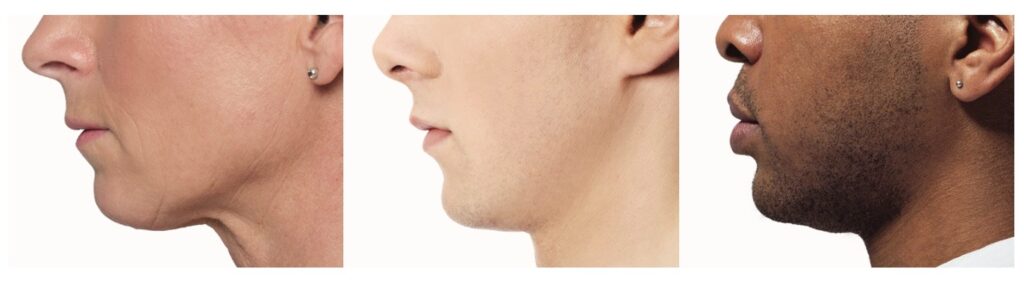
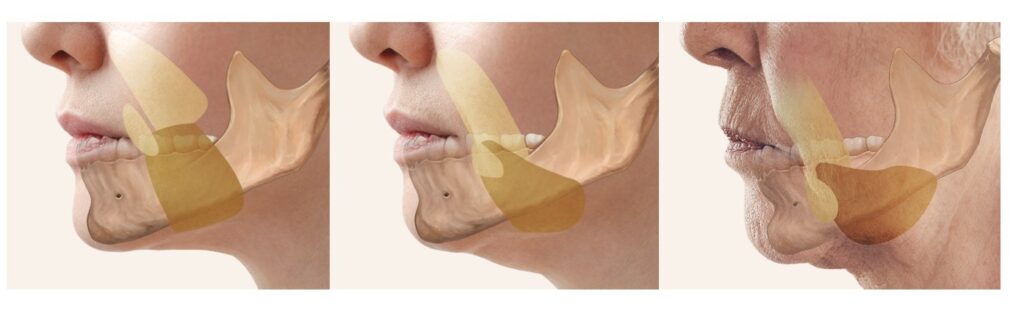
1. A Recessed Chin (Lack of Forward Support)
The chin plays a much bigger role in jawline appearance than most people realize. When the chin sits slightly farther back, something that can be genetic or develop with aging, the lower face loses its natural anchor.
When this happens:
- The jawline doesn’t have a clear endpoint
- The lower face can look softer or shorter
- Shadows and hollows appear near the chin and mouth
Even a small amount of chin recession can dramatically affect how defined the jawline looks. This is why treating the chin is often a key part of jawline balancing, not to make it bigger, but to restore proper support and overall facial balancing.
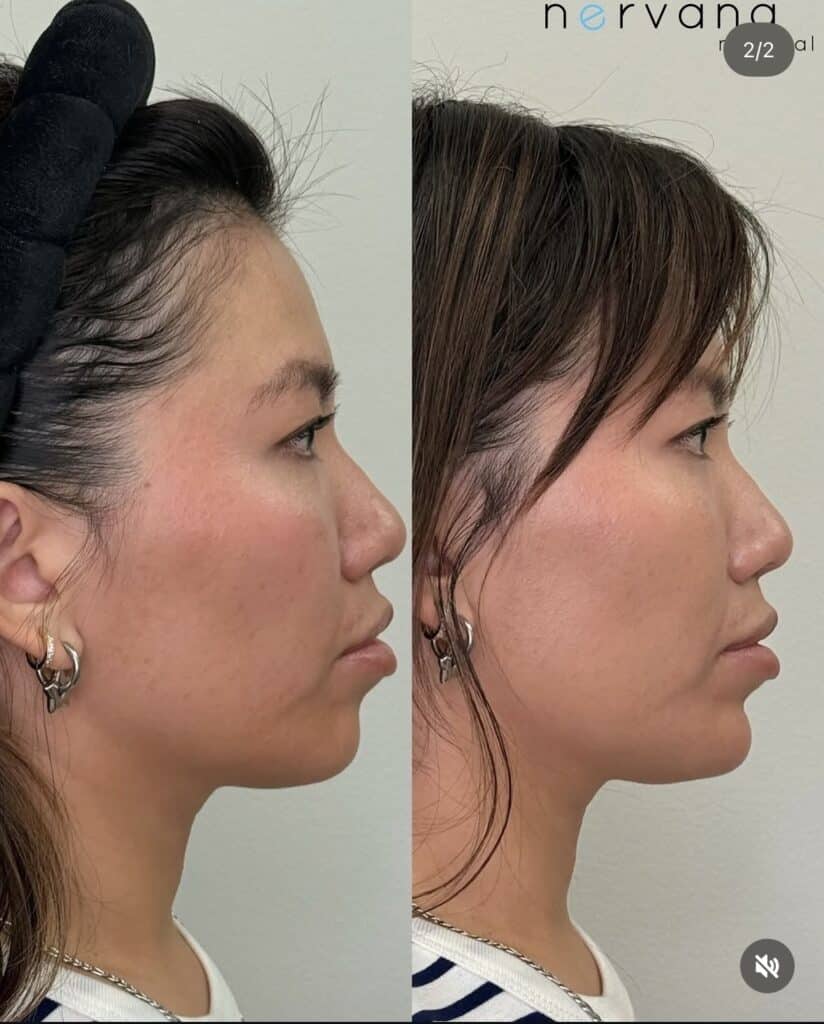
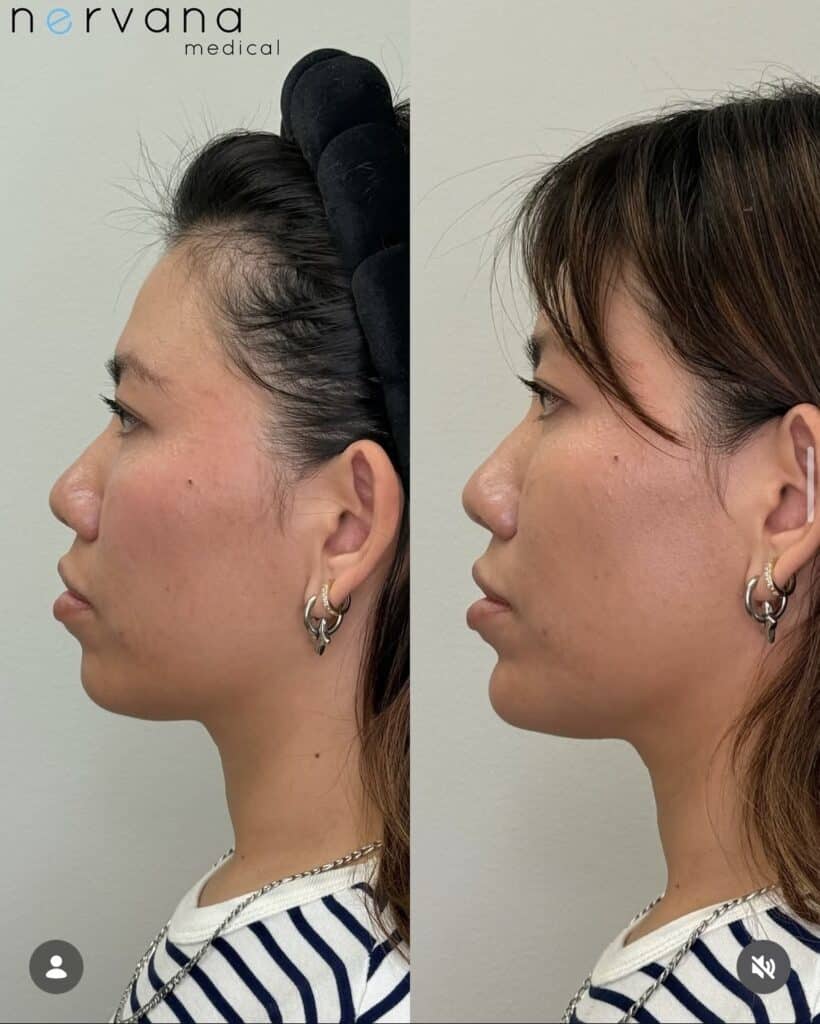
Injections by Cassie Debenham, NP
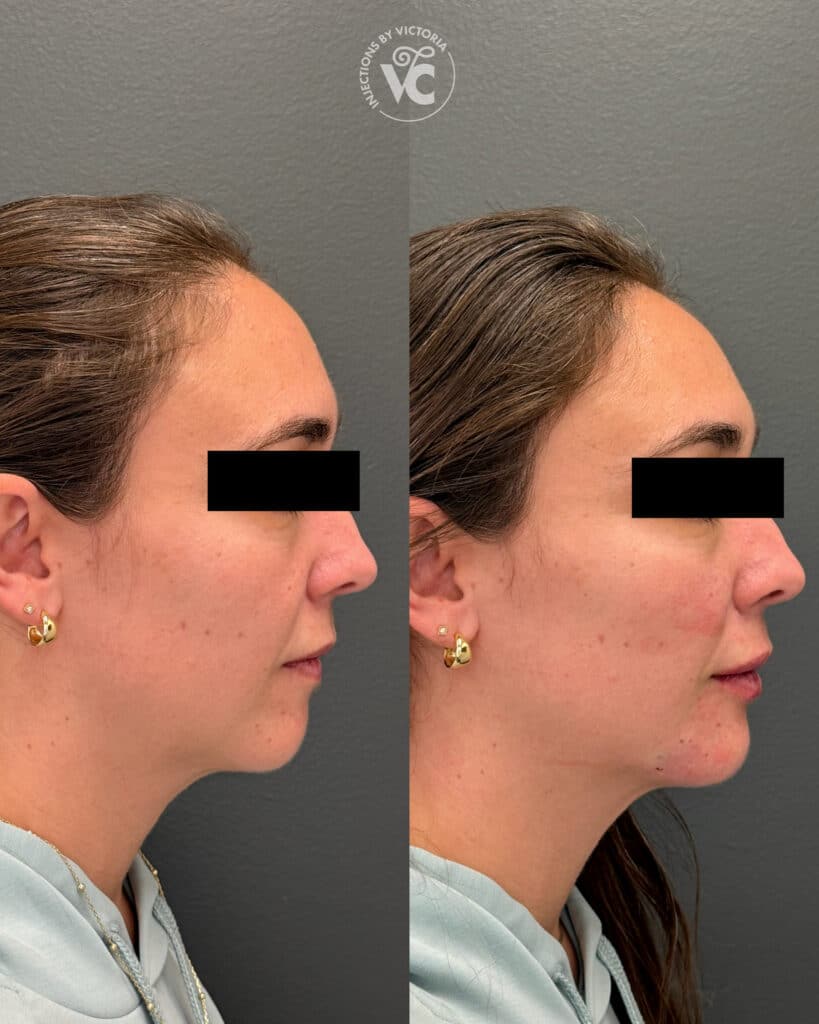
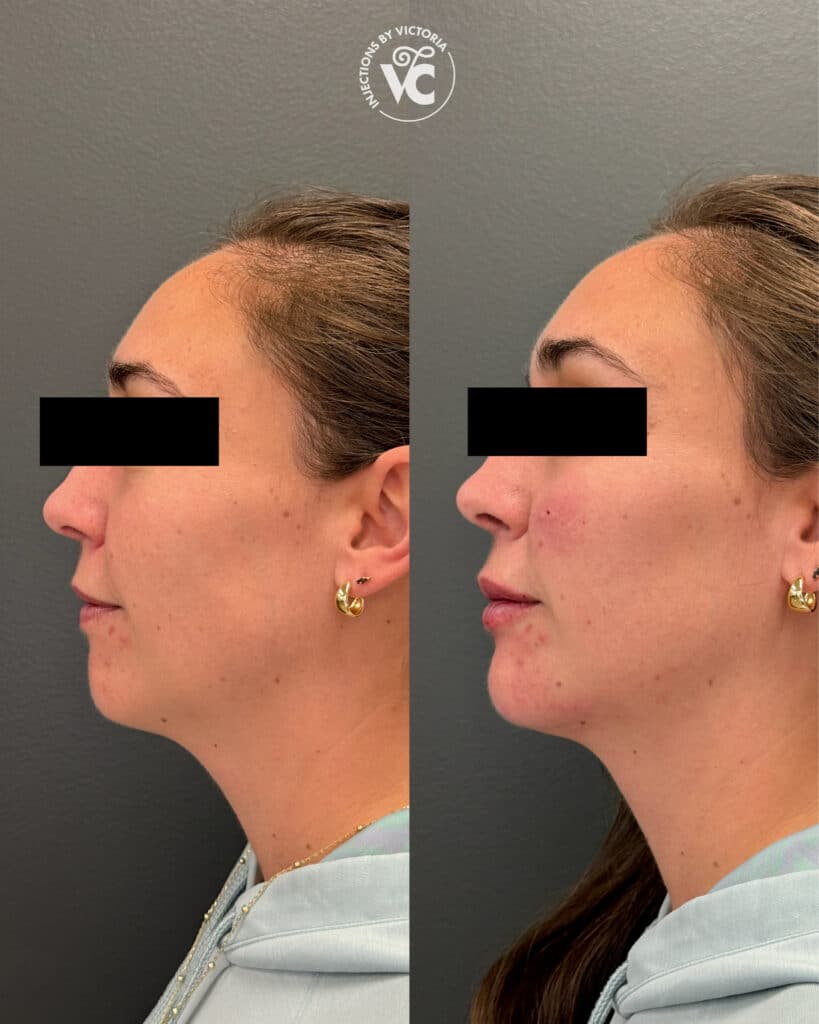
Injections by Victoria Chen, RN
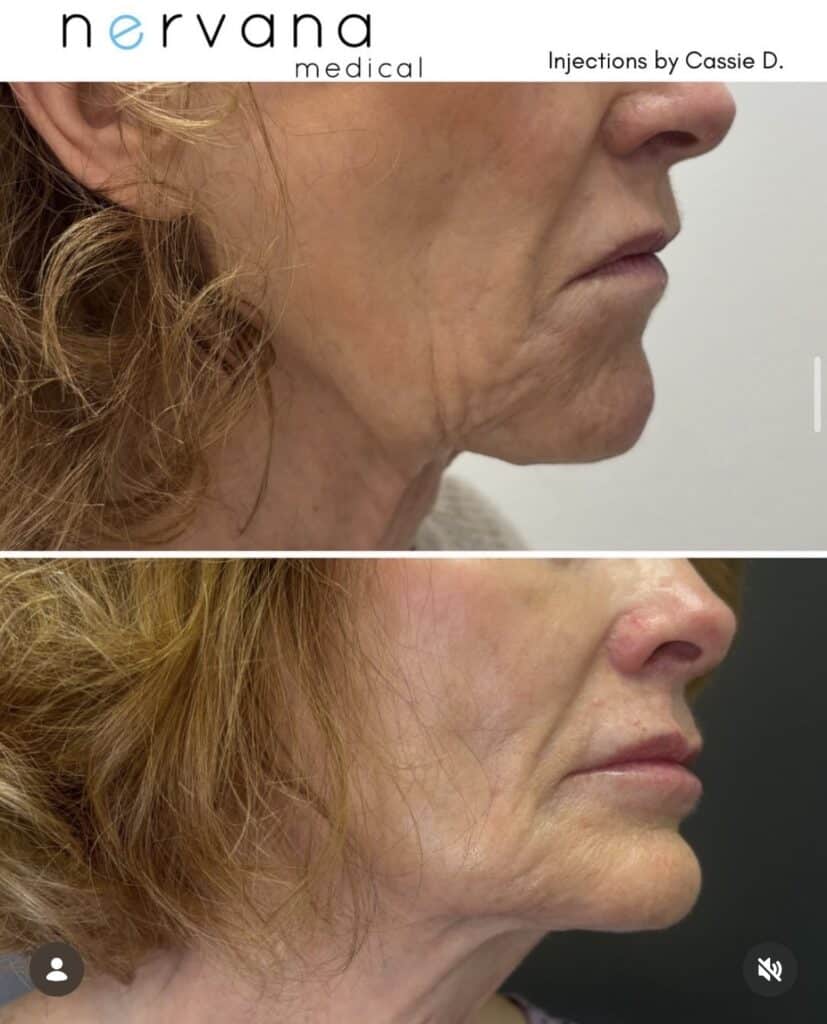
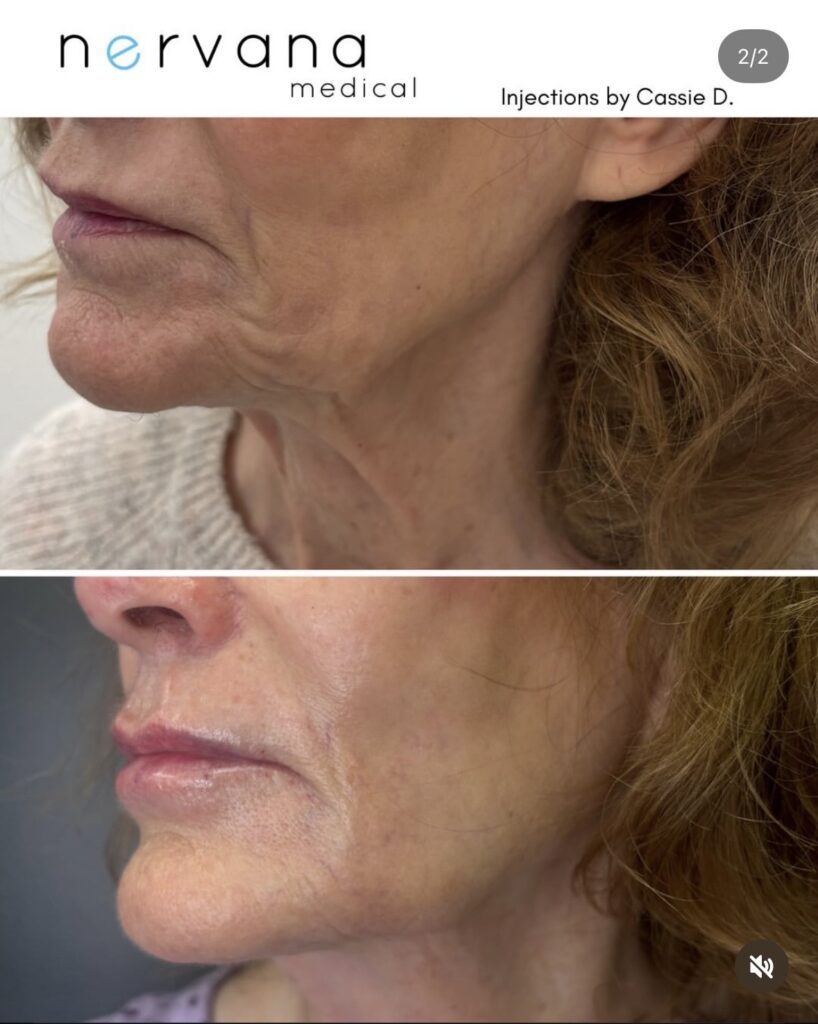
2. Changes in the Jawbone With Age
As we age, the bones of the face slowly change shape and volume. The jawbone is no exception. Over time, it can lose some of its width, height, and sharp edges.
This loss of structure means:
- The jawline becomes less crisp
- Soft tissue has less support and appears heavier
- Skin tightening alone may not create definition
This is a normal part of aging and one of the most common reasons people notice their jawline softening even if their skin still looks good.
3. A Hollow Area in Front of the Jowl (Pre-Jowl Hollow)
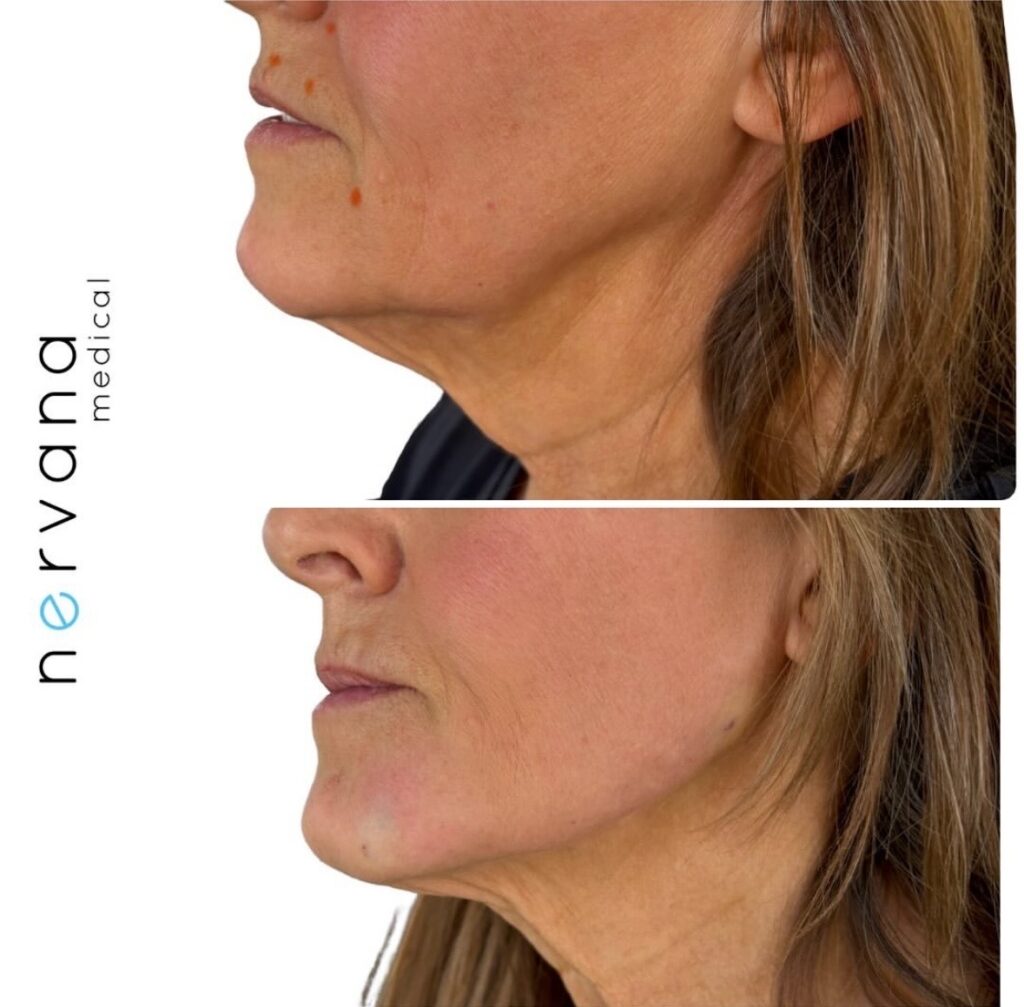
Many people think jowls are caused by “extra fat,” but that’s often not the full story. In reality, what makes jowls stand out is frequently a hollow just in front of them (aside from lack of cheek lift support)
This hollow creates contrast:
- The area in front looks sunken
- The area behind looks fuller by comparison
- The jawline appears broken instead of smooth
Addressing this imbalance rather than just focusing on the jowl itself, is often what restores a cleaner jawline.
Injections by Cassie Debenham, NP
The Takeaway: Jawline Definition Is Structural
A snatched jawline isn’t created by pulling skin tighter or chasing every small fold. It comes from balanced facial structure, where the chin, jawbone, and surrounding tissue work together to support the lower face.
That’s why modern jawline treatments focus on:
- Restoring support, not overfilling
- Improving balance and proportions
- Creating natural contours that still look like you
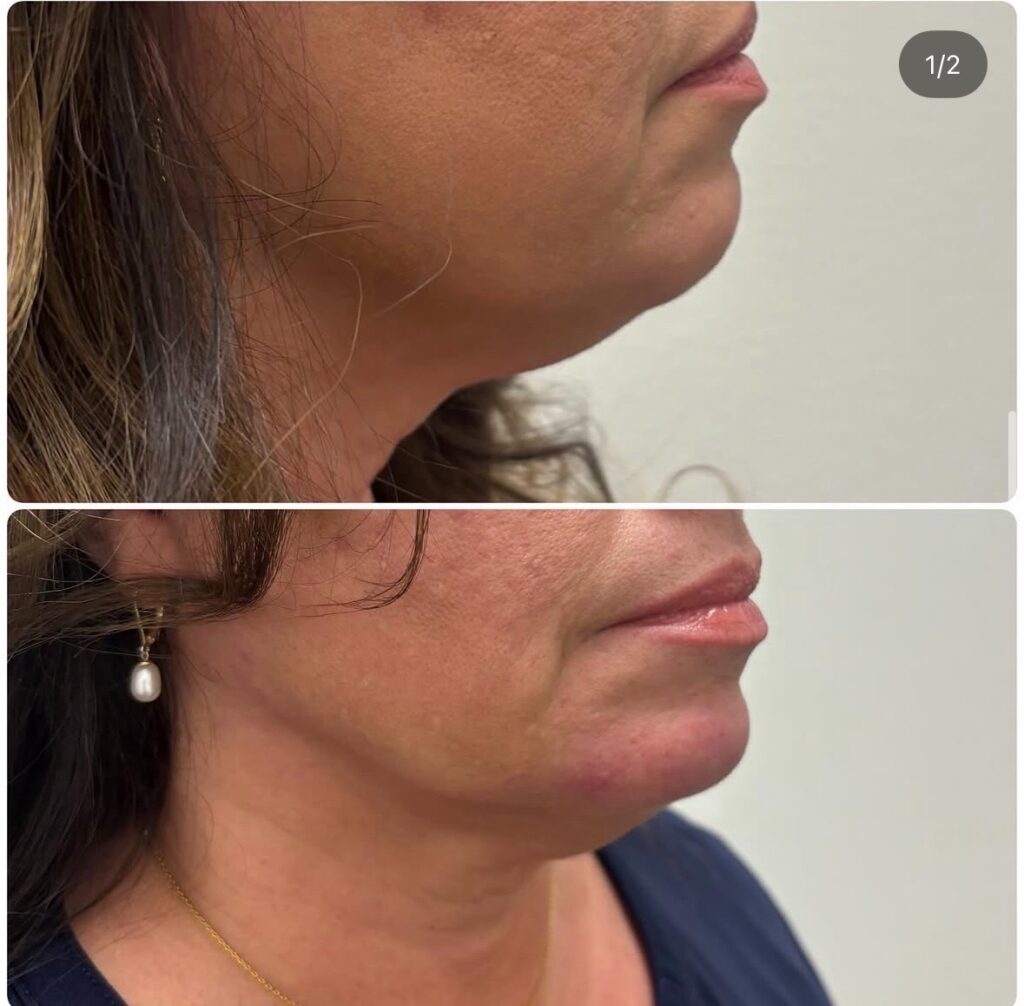
Injections by Cassie Debenham, NP
A Personalized Approach Matters
Every face is different. Genetics, bone structure, and the aging process all play a role in jawline appearance. The most natural results come from understanding why the jawline looks the way it does and choosing treatments that address those underlying factors.
At Nervana Medical, our goal is never to chase trends. It’s to help you look refreshed, balanced, and confident in a way that feels natural and thoughtful. Many of you may scroll through social media and find that “fillers” are bad and cause “pillow face”…. While that is another story to be had, “fillers” are FABULOUS and an excellent alternative to plastic surgery (when done on the right candidates) to help restore a youthful face and improve confidence with aging. Your face is a “house”, it needs structure, not just a smooth fascia.
If you’re curious about your jawline or want to better understand your options, a consultation can help clarify what’s structural, what’s age-related, and what, if anything , makes sense to address.
*We also offer hormone optimization therapy at Nervana which we recommend to perimenopause, menopause and andropause patients to help restore hormone levels in effort to prevent further bone loss as well as collagen loss with aging and the decline in estrogen, but that is another story to be told.