Most people know Botox as a treatment for expression lines. Fewer know it’s also an FDA-approved treatment for excessive sweating. If you live in Sandy, UT and have spent years ruining shirts, avoiding gray fabric, or reapplying antiperspirant that never quite works, Botox for sweating is a well-studied medical option, not a cosmetic afterthought. This post explains what it actually does under the skin, how strong the evidence is, and what to expect from treatment.
What hyperhidrosis actually is
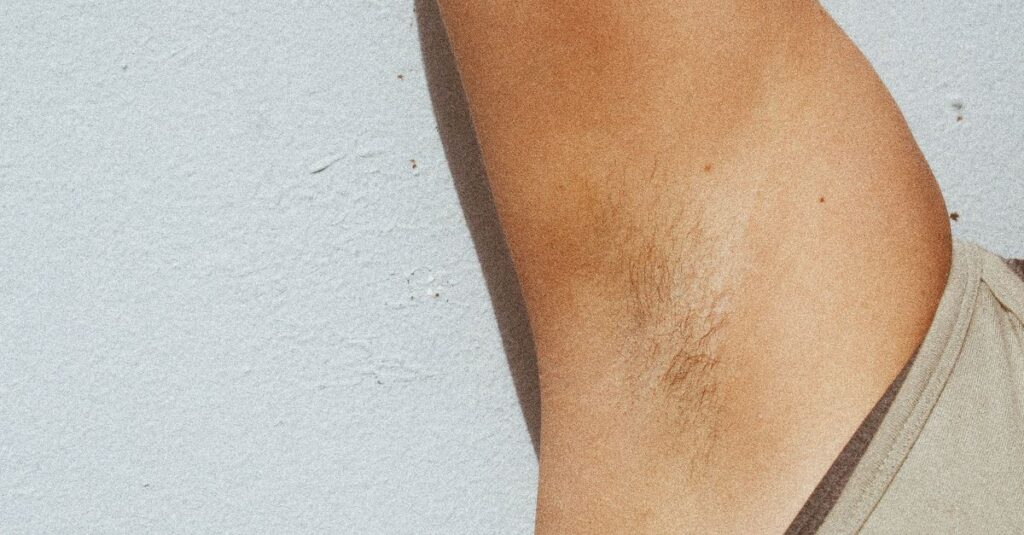
Hyperhidrosis is excessive sweating beyond what the body needs to regulate temperature. In its most common form, primary axillary hyperhidrosis, the underarm sweat glands are simply overactive, firing regardless of heat or exertion. It isn’t a hygiene problem and it isn’t in your head. It’s a neurological signaling issue at the level of the sweat gland, and it’s genuinely disruptive. Research consistently links it to lower quality-of-life scores and real day-to-day avoidance.
The eccrine sweat glands responsible for this are triggered by a neurotransmitter called acetylcholine. Understanding that one detail is the key to understanding why Botox works so well here.
How Botox stops the sweating
Botox, or onabotulinumtoxinA, works by blocking the release of acetylcholine from the nerve endings that signal your sweat glands. No signal, no sweat. When it’s injected just beneath the skin in a grid across the underarm, it quiets the local glands in that area without affecting the rest of your body’s ability to cool itself.
This is the same mechanism that relaxes a muscle when Botox is used cosmetically. The difference is the target. In the face, we’re interrupting the nerve-to-muscle signal. In hyperhidrosis, we’re interrupting the nerve-to-gland signal. Same molecule, same anatomy-first logic, different endpoint.
The evidence behind it
This is one of the better-supported uses of botulinum toxin. In the pivotal trial published in the New England Journal of Medicine, patients with axillary hyperhidrosis saw mean sweat production drop from roughly 192 mg/min at baseline to about 24 mg/min two weeks after treatment, compared with little change on the placebo side. The effect was still well below baseline at 24 weeks, and the overwhelming majority of patients said they’d recommend it.
Later reviews have held up that picture. A 2025 meta-analysis of a dozen randomized trials found botulinum toxin type A significantly reduces sweat production versus placebo, with a favorable side-effect profile compared to some alternatives. In practice, that translates to something patients describe simply: they stop thinking about their underarms.
Botox is FDA-approved specifically for severe primary axillary hyperhidrosis that hasn’t responded to prescription-strength topical antiperspirants. It’s typically considered a first- or second-line option once those topicals fall short.
Onset, duration, and what treatment is like
Effects usually begin within about a week and are fully in place within two. For most people, a single underarm treatment lasts around six months, sometimes longer, before the glands gradually return to their baseline activity and it’s time to repeat.
The standard underarm dose is 50 units per side, placed as a series of small, shallow injections across the sweat-producing zone. It’s a quick in-office visit. The most common side effect is minor injection-site tenderness. Reassuringly, long-term studies following patients across repeated treatment cycles haven’t shown a loss of response over time. It keeps working on the second and third round the way it did on the first.
A note on other areas: the underarms are where the evidence is strongest and where the FDA approval sits. Botox can also be used off-label for sweaty palms, soles, and scalp or forehead, but those areas come with their own trade-offs. Palm injections, for instance, are more uncomfortable and can cause temporary grip weakness. We’ll talk through whether treating those areas makes sense for you individually.
Why treat sweating at an integrative clinic
Excessive sweating rarely exists in a vacuum. It can travel alongside hormonal shifts, thyroid changes, medication effects, anxiety, and sleep disruption, which is exactly why we treat it inside an integrative practice rather than as an isolated injection. At Nervana Medical, the same visit that addresses the sweating can also be the moment we ask whether something upstream is driving it. If a hormonal component seems likely, our hormone replacement therapy team is down the hall, not across town.
That’s the difference between quieting a symptom and actually caring for the person who has it. Botox handles the underarm; the broader plan handles you.
Frequently Asked Questions
Does Botox for sweating actually work, or is it a gimmick?
It works, and it’s FDA-approved for severe underarm sweating that topical treatments can’t control. In the landmark clinical trial, sweat production dropped dramatically within two weeks and stayed well below baseline for months. It’s one of the most reliable medical uses of Botox.
How long does Botox for sweating last?
For most patients, a single underarm treatment lasts about six months before the glands gradually return to their prior activity. Some people get longer. When results fade, the treatment can simply be repeated, and studies show it keeps working on repeat rounds.
Will treating my underarms make me sweat more somewhere else?
Botox only affects the sweat glands in the area it’s injected, so your body still regulates temperature normally everywhere else. Some patients notice slightly more awareness of sweating elsewhere, but clinically significant compensatory sweating from underarm treatment is uncommon.
Does it hurt?
The underarm injections are shallow and quick, and most people tolerate them easily with only minor stinging. We can use numbing measures to keep you comfortable. Palm and sole treatments are more sensitive, which is one reason we discuss those areas separately.
How is this different from Botox for wrinkles?
It’s the same medication working by the same mechanism, blocking acetylcholine, but aimed at sweat glands instead of muscles. If you’re curious about the cosmetic side, our Botox in Sandy, UT page covers neuromodulators for expression lines.
Book a Botox for Sweating Consultation in Sandy, UT
If topical antiperspirants have let you down and excessive sweating is shaping your day, it’s worth a real conversation. Come in for a consultation, and we’ll assess whether Botox for sweating is the right fit and build a plan around the rest of your health, not just your underarms. Book a consultation at Nervana Medical in Sandy, UT.