“My labs came back normal, so why am I still exhausted?”
It’s one of the most common things we hear about thyroid labs in our Sandy, Utah clinic. The fatigue, the brain fog, the weight that won’t move, the sense that you’re just not yourself. The thyroid is often the first place people look, and a normal TSH result can feel both reassuring and frustrating at the same time.
A normal TSH is genuinely good news. It’s the best single screening test for thyroid function, and guidelines rely on it for good reason [1]. But TSH is a signal, not the hormone itself, and on its own it doesn’t always explain every symptom. Here’s how your thyroid labs fit together, and what to ask if you still don’t feel right.
TSH Is the Messenger, T3 Is the Hormone Your Cells Use
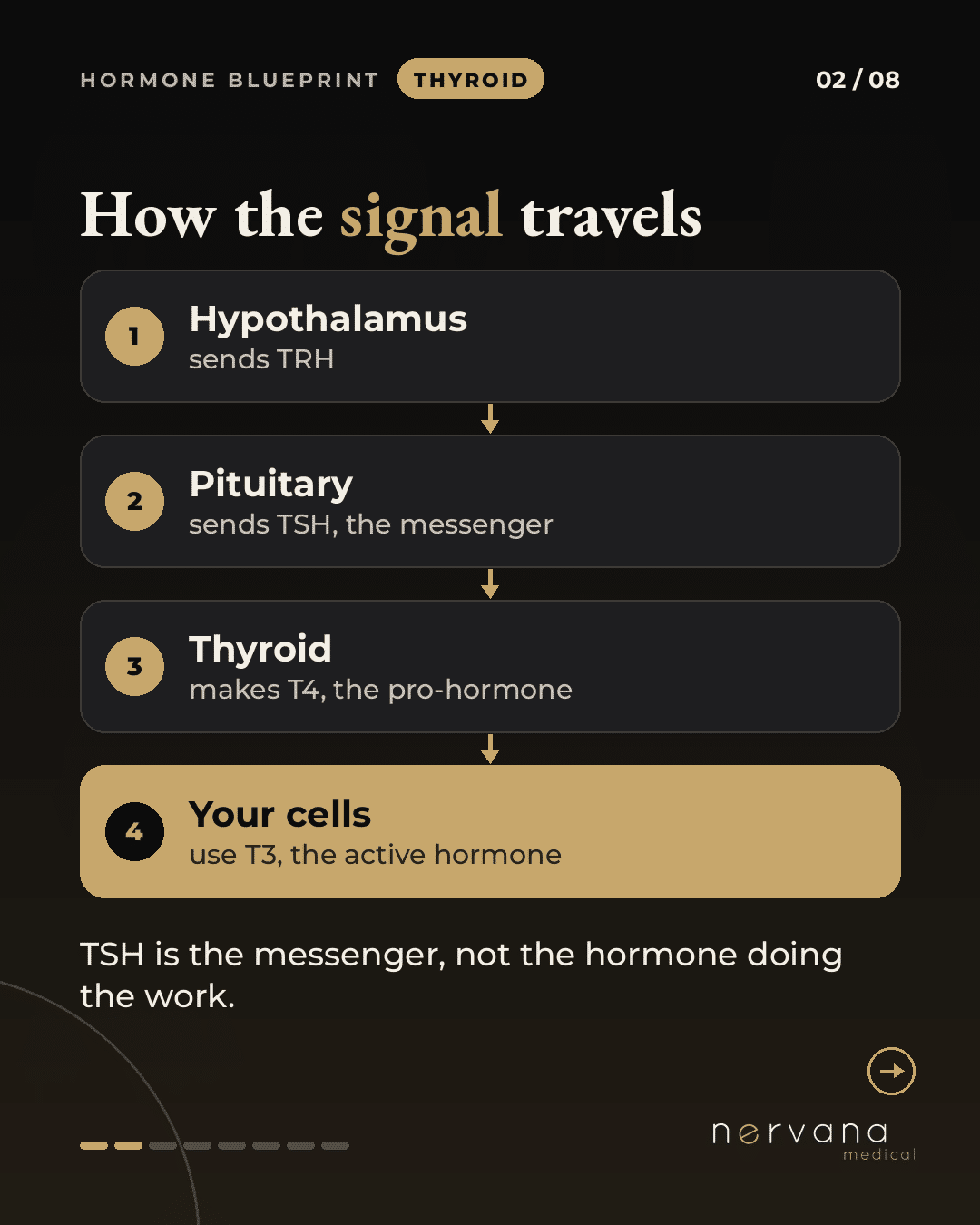
Thyroid-stimulating hormone (TSH) comes from the pituitary gland in your brain. It’s a request: when the brain senses too little thyroid hormone, TSH rises to ask the thyroid to make more; when there’s plenty, TSH falls [1].
The thyroid mostly releases thyroxine (T4), which is largely a storage form. Your tissues convert T4 into triiodothyronine (T3), the active hormone that binds receptors in cells and drives energy use, heart rate, temperature, and metabolism [2]. That conversion is handled by enzymes called deiodinases, and it happens tissue by tissue, which means the amount of active hormone in your brain, muscle, or liver isn’t perfectly mirrored by a blood TSH [2].
What Full Thyroid Labs Can Show
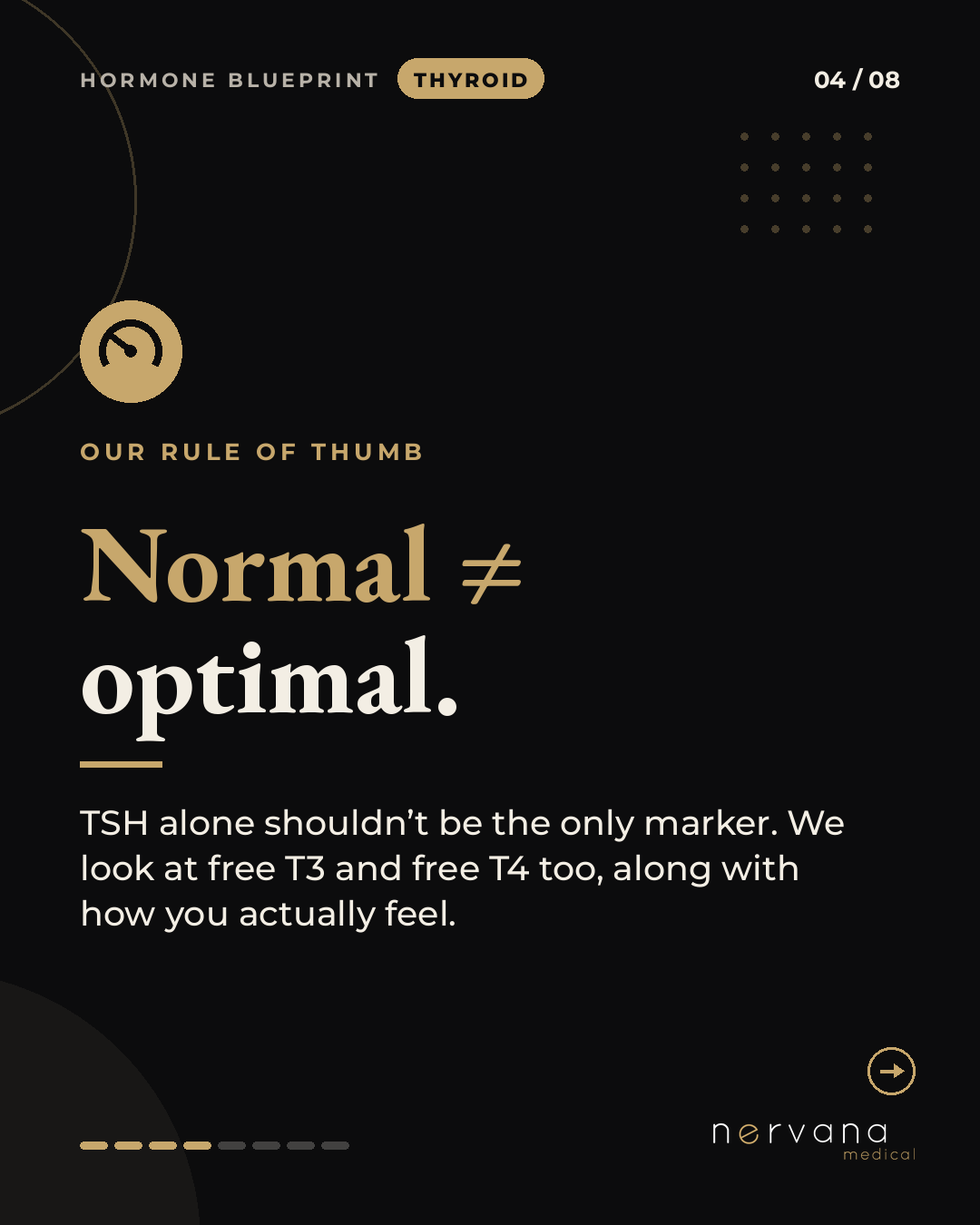
A broader panel of thyroid labs doesn’t replace TSH. It adds context.
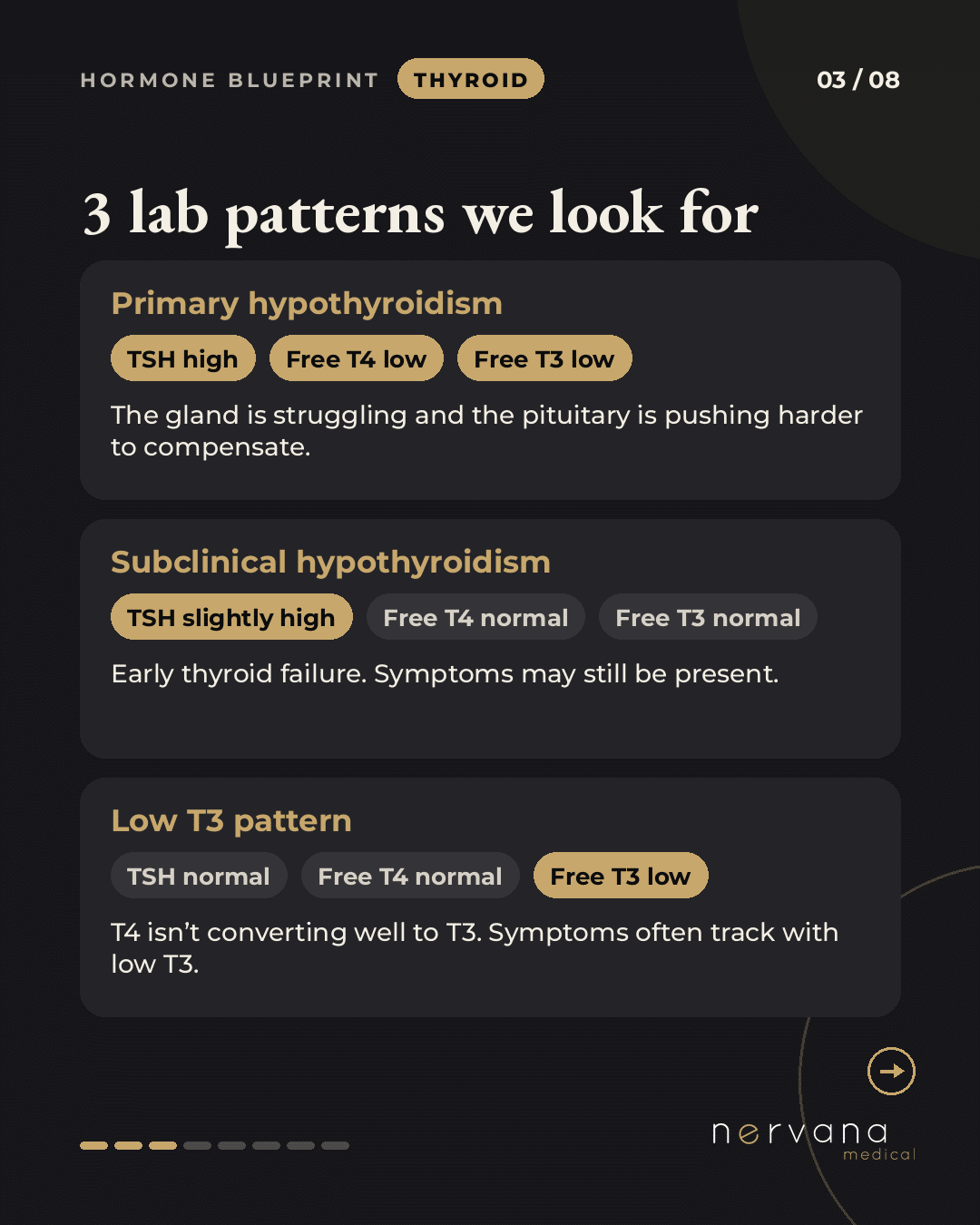
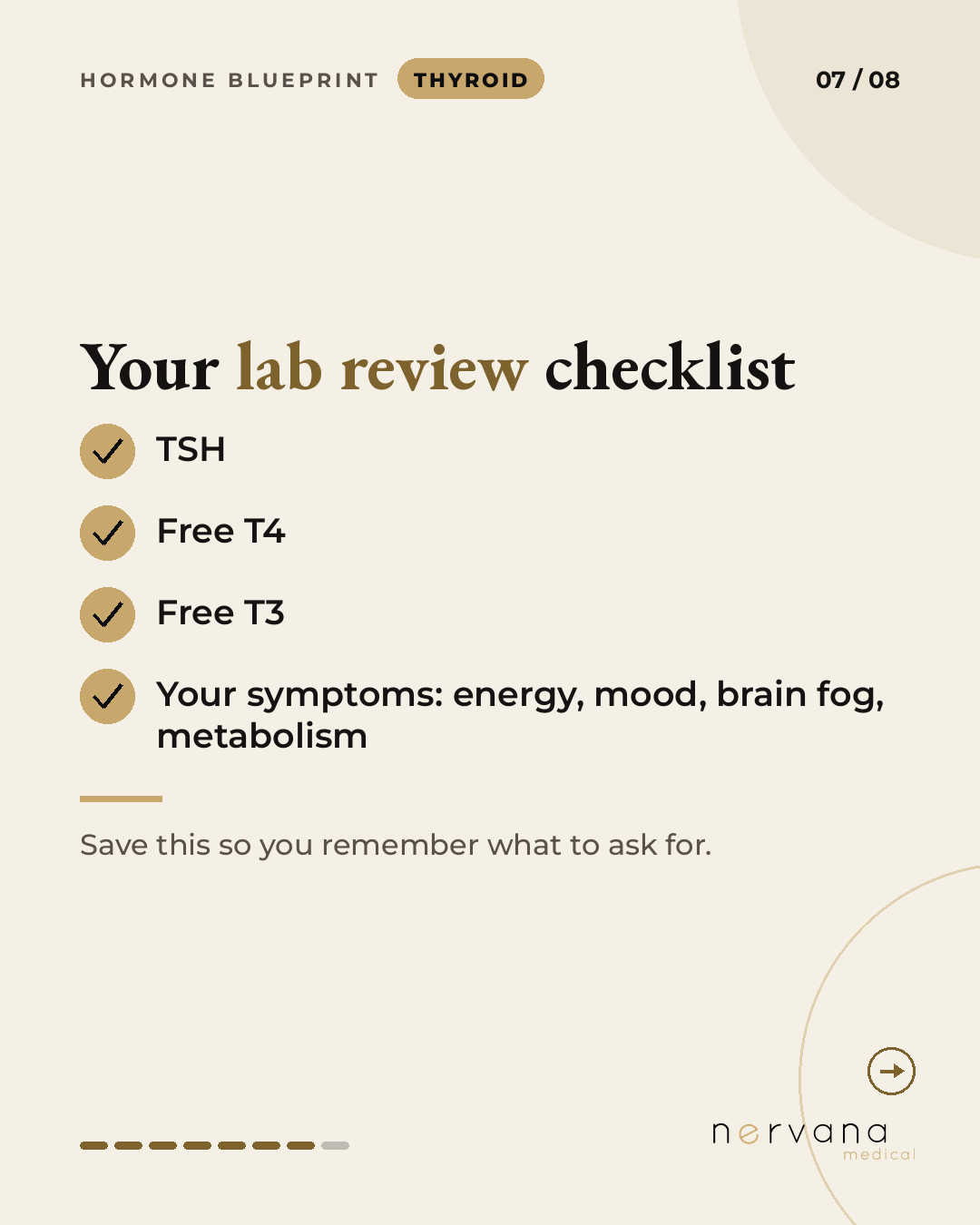
- TSH: The brain’s request signal. The standard first-line test [1].
- Free T4: The unbound, available form of the main hormone the thyroid makes. Helpful when TSH is borderline or when pituitary problems are possible [1].
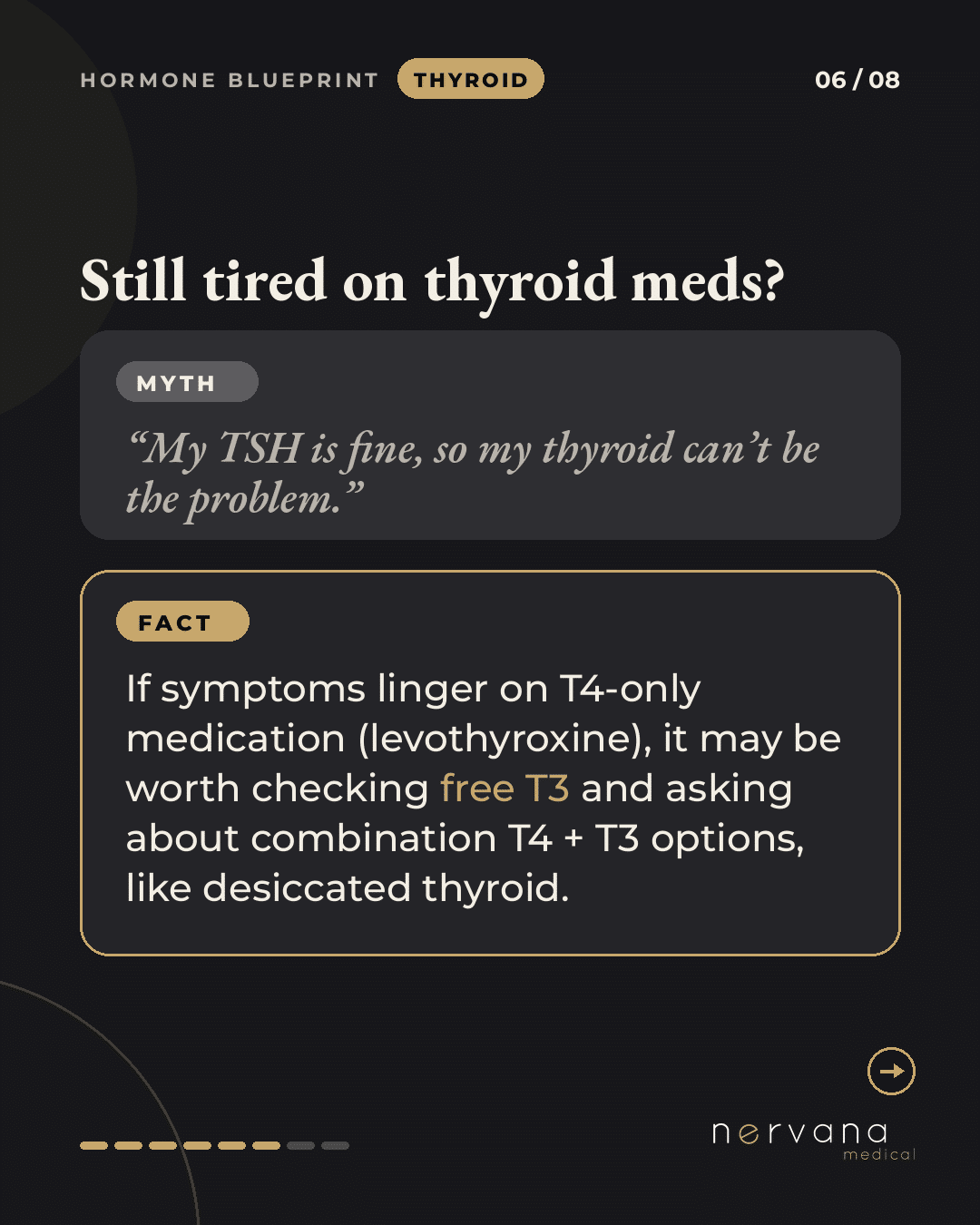
- Free T3: The unbound active hormone. Some people on levothyroxine (T4-only medication) reach a normal TSH while their T3 runs lower than it did before treatment [3,4].
- Reverse T3 (rT3): An inactive form of T3 the body makes, especially during illness, calorie restriction, or stress. Current guidelines do not recommend routine reverse T3 testing for diagnosing or managing hypothyroidism [1]. Some clinicians still look at it as part of a bigger picture; it’s best interpreted alongside other labs rather than by itself.
- Thyroid antibodies (TPO and thyroglobulin antibodies): These point to autoimmune thyroid disease, most often Hashimoto’s thyroiditis, the most common cause of hypothyroidism in the U.S. [5]. Antibodies can be present before TSH ever moves out of range [6].
One practical tip: high-dose biotin supplements (common in hair, skin, and nail products) can distort several thyroid lab results. The FDA has warned about biotin interference with lab tests, so tell your provider if you take it [7].
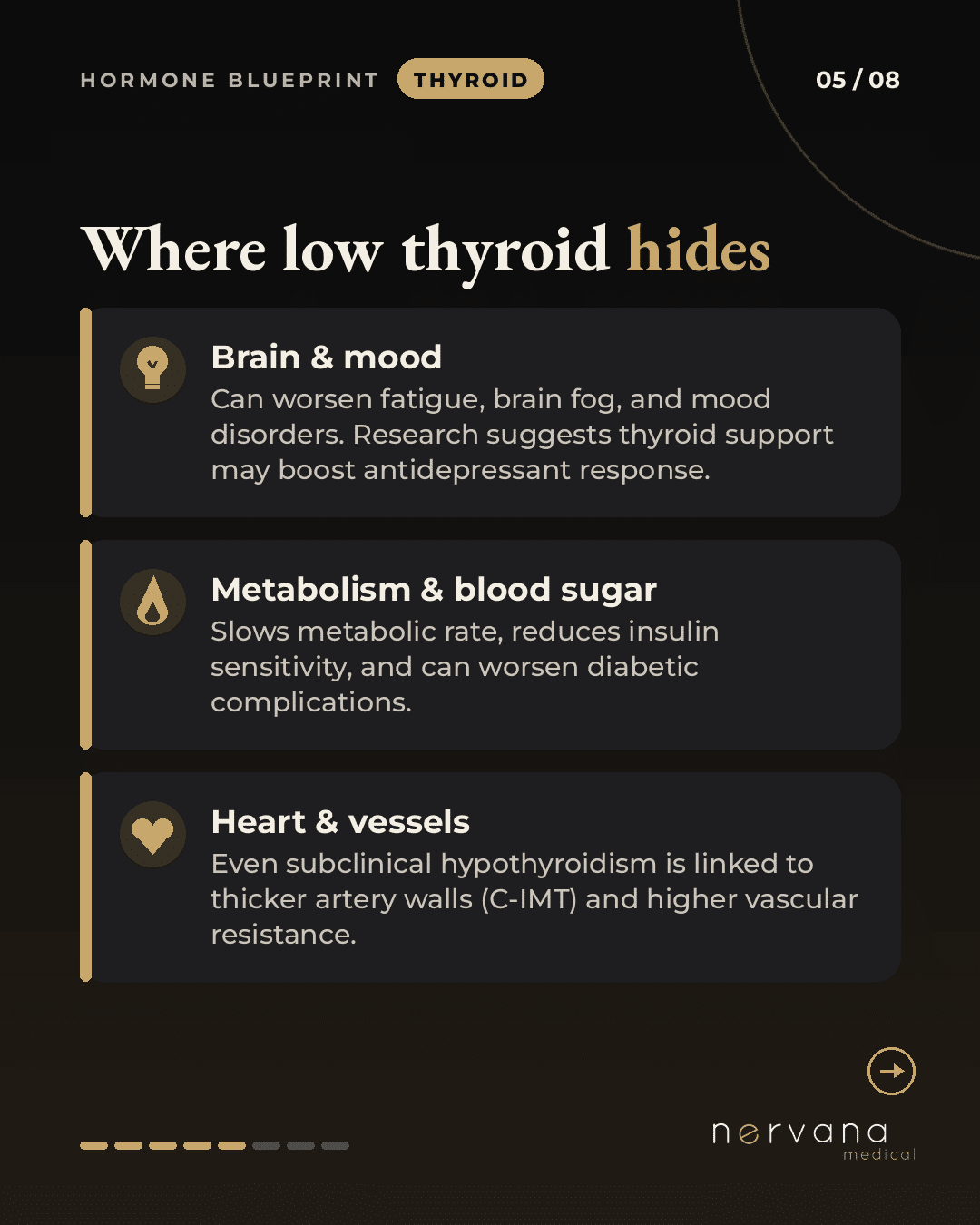
Why Fatigue, Mood, and Metabolism Can Lag Behind Your Thyroid Labs
Even with treatment and normal labs, a meaningful share of people on thyroid medication report ongoing symptoms. In a large UK study, patients on levothyroxine with normal TSH reported lower psychological well-being than matched controls [8]. In an online survey of more than 12,000 hypothyroid patients, many reported dissatisfaction with their treatment and persistent symptoms [9].
Several explanations have been studied:
- Conversion differences. Variation in the DIO2 gene, which encodes a deiodinase enzyme, has been associated with well-being on T4-only therapy and response to combination T4/T3 therapy in one study [10]. This research is still evolving.
- Lower T3 on T4-only therapy. Some patients without a thyroid need higher T4 levels to keep T3 in their pre-surgery range [3,4].
- It may not be (only) the thyroid. Fatigue, low mood, and weight change overlap with iron deficiency, low vitamin D or B12, sleep problems, perimenopause and menopause, low testosterone, depression, and more. Guidelines specifically caution that persistent symptoms aren’t always thyroid-related [1,11].
That last point matters. A closer look at your thyroid won’t be the answer for everyone, which is why we look at the whole hormonal picture instead of chasing one number.
Still Symptomatic? Thyroid Labs and Questions to Ask
Please don’t change your thyroid dose on your own. Too much thyroid hormone carries real risks, including heart rhythm problems and bone loss [1,6]. Instead, bring these thyroid labs questions to your provider:
- Have we checked free T4 and free T3, not just TSH?
- Do I have thyroid antibodies, and has that been tested?
- Am I taking my medication in a way that lets it absorb well (empty stomach, away from coffee, calcium, iron, and certain other medications)? [1]
- Could another issue, such as iron, vitamin D, B12, sleep, or sex hormones, be contributing?
- Is my dose still right for my current weight, age, or life stage, such as pregnancy or menopause?
- Am I a candidate to discuss combination T4/T3 therapy? A 2021 consensus statement from thyroid societies says a trial may be reasonable for some patients who remain symptomatic despite normal TSH on levothyroxine, with careful monitoring [11].
How We Approach Thyroid Labs and Concerns at Nervana Medical in Sandy
At Nervana Medical, our providers review your symptoms, history, current medications, and labs together. When it’s appropriate, that includes a fuller thyroid panel and the other hormones and nutrients that commonly overlap with thyroid symptoms. Learn more on our Thyroid Optimization page, read why healthy eating and exercise aren’t always enough when hormones are off, or explore thyroid and Hashimoto’s nutraceutical support.
If you’re in Sandy, Draper, Midvale, or anywhere in the Salt Lake Valley and still don’t feel like yourself, a hormone consultation is a good place to start. Call (801) 335-5243 or visit us at 8899 South 700 East #125, Sandy, UT 84070.
Thyroid Labs: Frequently Asked Questions
Can I have thyroid problems with a normal TSH?
Sometimes. Early autoimmune thyroid disease can show positive antibodies before TSH changes, and pituitary conditions can make TSH unreliable [1,6]. Most of the time, though, a normal TSH does mean thyroid function is normal, so other causes of symptoms deserve a look too.
What is the difference between free T4 and free T3?
Free T4 is the main hormone the thyroid releases, largely a storage form. Free T3 is the active hormone your cells use, made mostly by converting T4 in tissues [2].
Should I get reverse T3 tested?
Routine reverse T3 testing isn’t recommended by current guidelines [1]. If it’s checked, it should be read alongside TSH, free T4, and free T3, not alone.
Why am I still tired on levothyroxine?
Possible reasons include dosing or absorption issues, lower T3 levels on T4-only therapy, or a separate cause such as iron deficiency, poor sleep, or other hormone changes [1,3,8,11]. Talk with your provider before changing anything.
Do you treat thyroid concerns in Sandy, UT?
Yes. Nervana Medical offers thyroid evaluation and optimization as part of our hormone care in Sandy. Call (801) 335-5243 to book.
This article is for educational purposes only and is not medical advice. Talk with your provider before changing any medication.
References
- Jonklaas J, Bianco AC, Bauer AJ, et al. Guidelines for the treatment of hypothyroidism: prepared by the American Thyroid Association Task Force on Thyroid Hormone Replacement. Thyroid. 2014;24(12):1670-1751.
- Bianco AC, Kim BW. Deiodinases: implications of the local control of thyroid hormone action. J Clin Invest. 2006;116(10):2571-2579.
- Jonklaas J, Davidson B, Bhagat S, Soldin SJ. Triiodothyronine levels in athyreotic individuals during levothyroxine therapy. JAMA. 2008;299(7):769-777.
- Gullo D, Latina A, Frasca F, et al. Levothyroxine monotherapy cannot guarantee euthyroidism in all athyreotic patients. PLoS One. 2011;6(8):e22552.
- National Institute of Diabetes and Digestive and Kidney Diseases. Hashimoto’s Disease. https://www.niddk.nih.gov/health-information/endocrine-diseases/hashimotos-disease
- Garber JR, Cobin RH, Gharib H, et al. Clinical practice guidelines for hypothyroidism in adults: cosponsored by the American Association of Clinical Endocrinologists and the American Thyroid Association. Endocr Pract. 2012;18(6):988-1028.
- U.S. Food and Drug Administration. Biotin (Vitamin B7): Safety Communication – May Interfere with Lab Tests (2017, updated 2019). https://www.fda.gov/medical-devices/safety-communications
- Saravanan P, Chau WF, Roberts N, et al. Psychological well-being in patients on ‘adequate’ doses of l-thyroxine: results of a large, controlled community-based questionnaire study. Clin Endocrinol (Oxf). 2002;57(5):577-585.
- Peterson SJ, Cappola AR, Castro MR, et al. An online survey of hypothyroid patients demonstrates prominent dissatisfaction. Thyroid. 2018;28(6):707-721.
- Panicker V, Saravanan P, Vaidya B, et al. Common variation in the DIO2 gene predicts baseline psychological well-being and response to combination thyroxine plus triiodothyronine therapy in hypothyroid patients. J Clin Endocrinol Metab. 2009;94(5):1623-1629.
- Jonklaas J, Bianco AC, Cappola AR, et al. Evidence-based use of levothyroxine/liothyronine combinations in treating hypothyroidism: a consensus document. Thyroid. 2021;31(2):156-182.